

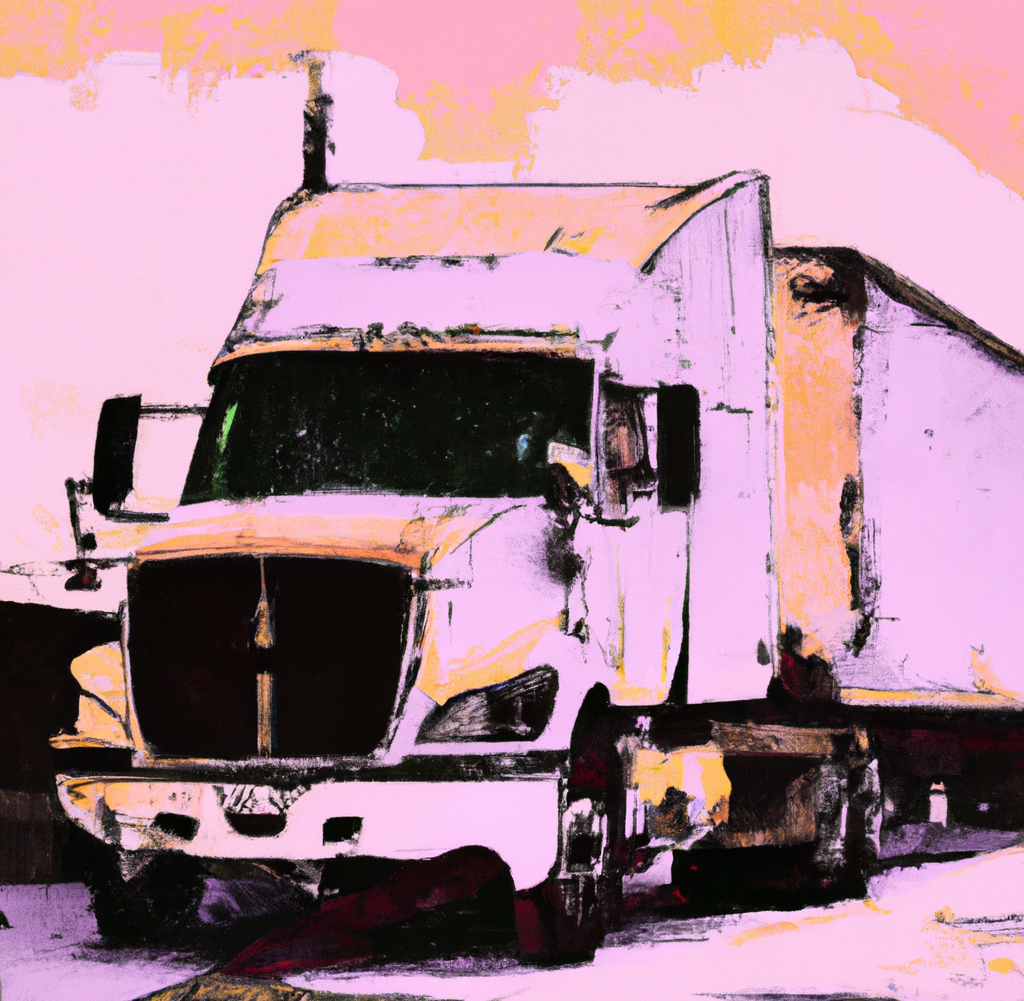
What is inbound logistics?
Inbound logistics is the method for handling everything “incoming” — like raw materials or supplies.It’s all about smoothly ushering in these essential supplies, stashing them safely and systematically, while maintaining an uncluttered setup. Inbound logistics is the lifeblood of supply chains. You’ve got to make sure you have what customers need and when they want it; otherwise, things go south fast! (Thị et al., 2023)
Why inbound logistics are important
Inbound logistics play a pivotal role in a business’s success for several key reasons:
- Cost Reduction: Optimizing the processes involved in inbound logistics can lead to significant savings. This means you’ll be spending less on shipping and storage, plus there’s the added bonus of cutting down costs tied to having too much stock just lying around.
- Increased Efficiency: A good inbound logistics program is going to grease the wheels of the flow of goods. This improvement not only reduces the time it takes to receive and process goods (lead times) but also optimizes the entire supply chain.
- Improved Customer Service: Efficient inbound logistics ensure that the correct products are available when needed. Cementing a bond with consumers hinges on reliability; it’s this unswerving dependability that forms an enduring alliance.
- Competitive Edge: Proper management of your inbound logistics can be a game-changer in a competitive market. Trimming down expenses and speeding up delivery can help a business outshine its competitors. In addition, it makes the business more appealing to customers. After all, who doesn’t like a good deal and speedy service?
The benefits of inbound logistics
Inbound logistics aren’t just for show. They pump up various business operations in ways you wouldn’t believe. Consider them the silent virtuosos backstage, constantly pushing boundaries to enhance and perfect product quality. They make sure that products are handled in the right way, from moving them around to stashing them in the proper places. By paying close attention to product handling, not will customers return less, but you’ll get a reputation for delivering top-notch goods. Forming a tight-knit bond with suppliers ensures not just on-the-dot deliveries and correct quantities but also cranks up their satisfaction level, creating an enduring alliance – it’s essentially hitting two birds with one stone in the most professional manner.
Another key benefit is that you get to dodge the risks associated with stock shortages, product damage, and other operational disruptions. Implementing efficient inbound logistics processes serves as a financial bulletproof vest and reputation safeguard. Moreover, fine-tuning these strategies can give a big boost to green initiatives too. When companies get smart about their shipping routes and timing, they can drastically reduce how much fuel they use. You can help save the planet by cutting down on nasty emissions, and at the same time move towards wider goals of being more sustainable. Simply put, acing the game of inbound logistics is no small feat – it’s your ticket to preserving product quality, fortifying supplier ties, mitigating business hazards and championing eco-friendly practices – a real coup for any enterprise.
The components of inbound logistics
Inbound logistics encompasses several critical components that ensure the smooth flow of goods from suppliers to a company’s warehouse or production facility. These components include:
- Transportation: This is the key process of moving goods from suppliers to the company. Depending on the urgency, what you’re moving, and how far it has to go, you might use trucks, trains, planes or even boats to get it there.
- Warehousing: Once the goods reach the company, they need to be stored until required for production or distribution. Warehousing can either be handled by the company itself or outsourced to a third-party logistics provider (3PL), depending on the company’s resources and needs.
- Inventory Management: This involves monitoring and controlling inventory levels to ensure there’s always the right amount of stock available to meet customer demand. Optimizing your inventory is about anticipating future needs, liaising with suppliers for provisions, and diligently monitoring stock as it navigates its way through the supply chain.
- Material Handling: Within the warehouse or production facility, the physical handling of goods is essential. This includes activities like unloading goods from transportation vehicles, storing them in the warehouse, and then picking and packing them for orders or production.
- Import/Export Management: For goods that are being imported or exported, this aspect of inbound logistics deals with the complexities of international trade, such as adhering to customs regulations and handling necessary documentation.
Each part of this system plays a vital role in keeping the supply chain humming and customers happy. You need goods to arrive on time, be stored in a smart way, and be ready when called for.
Unpacking the best practices in inbound logistics
Inbound logistics, an essential part of supply chain management, involves a set of best practices to ensure efficient and effective movement of goods from suppliers to a company. These practices include:
- Planning and Forecasting: This involves creating accurate predictions of customer demand and devising transportation plans accordingly. The goal is to ensure that goods arrive not only on time but also in the correct quantities to meet this demand. This helps in avoiding both shortages and excess inventory.
- Optimizing Transportation: It’s important to select the most efficient and cost-effective mode of transportation for each shipment. This could mean choosing between truck, rail, ship, or air freight based on factors like the type of goods, distance, cost, and delivery timelines.
- Effective Inventory Management: Utilizing inventory management software is key. This technology allows businesses to keep a real-time track of inventory levels, ensuring that goods are available when needed. It helps in maintaining the delicate balance of meeting demand without overstocking.
- Automation of Tasks: You’re relying on tech to do the heavy lifting so that you can automate inbound logistics tasks wherever possible. You’re letting tech do your grunt work – punching in data, tracking every move on the fly, and churning out those mind-numbing reports – ensuring not only sterling accuracy (fewer manual errors) but also scoring you some much-needed downtime.
- Utilizing Technology: Implementing advanced technology solutions enhances visibility and control over the entire inbound logistics process. Technologies like Warehouse Management Systems (WMS), Transportation Management Systems (TMS), and real-time tracking tools provide critical insights and streamline operations.
Embracing these outstanding strategies paves the way for a more seamless, streamlined supply chain, trims costs, and improves customer satisfaction. How? By making sure products are ready to go exactly when and where they’re needed. It’s like a well-oiled machine – smooth, efficient, with no hiccups or delays!
State-of-the-art technology for inbound logistics will catapult efficiency
New tech is seriously shaking things up in inbound logistics. We’re talking next-level management and transport of goods – more efficient and streamlined than ever before. (Waikar et al. 2022) Key technologies contributing to this transformation include:
- Artificial Intelligence (AI) and Machine Learning (ML): AI and ML are reshaping inbound logistics by automating and refining tasks like demand forecasting, transportation planning, and inventory management. These technologies enable more accurate predictions of customer demand, facilitate better planning of transportation needs, and ensure optimal inventory levels are maintained.
- Internet of Things (IoT): IoT sensors provide a game-changing advantage in tracking the movement of goods. They offer real-time visibility and valuable insights throughout the inbound logistics process, so you get to keep an eye on your goods at every step of their trip. If something goes wrong, you can jump right on it immediately. You want to use tech to make sure nothing slips through the cracks in order to eventually deliver key insights.
- Blockchain: The application of blockchain technology is enhancing the transparency and security of transactions within inbound logistics. In the labyrinth of supply chain intricacies, blockchain tech emerges as a trailblazer – it’s not merely about fortifying data exchanges but also crafting a verifiable and dependable breadcrumb trail.
- Robotics and Automation: Robotics and automated systems are being employed to increase the efficiency and precision of various tasks, including picking, packing, and loading. This not only speeds up these processes but also lets you sidestep human goof-ups that can jam up your logistics operations.
- Transportation Management Systems (TMS): TMS software plays a pivotal role in optimizing transportation routes and schedules. It actively tracks goods in real time. You can orchestrate and handle your transportation resources more effectively.
Tech is giving inbound logistics a serious makeover. Precision, security, and fluidity in the flow of goods from suppliers to businesses is hitting an all-time high. Tech is an able accomplice in creative resource allocation.
Automation is jazzing up how we handle inbound logistics

Automation isn’t just a buzzword. It turbocharges inbound logistics, transforming various aspects of the supply chain for enhanced efficiency and effectiveness. Let’s explore how different elements of inbound logistics benefit from automation:
- Transportation Planning and Optimization: Automation in transportation planning involves the use of sophisticated software to streamline routes and schedules. This not only aids in real-time tracking of goods but also significantly cuts down transportation costs and betters delivery times. For instance, Walmart employs automated transportation planning software to refine its delivery routes, leading to reduced fuel consumption, lower emissions, and considerable savings in transportation costs.
- Warehousing Operations: In warehousing, Automated Storage and Retrieval Systems (AS/RS) revolutionize how goods are stored and retrieved. Such systems enhance picking and packing efficiency, minimize errors, and save time. Amazon, a pioneer in this domain, utilizes AS/RS, Automated Guided Vehicles (AGVs), and robots in its warehouses to ensure swift and efficient order processing and delivery.
- Inventory Management: The use of inventory management software automates tracking inventory levels in real-time and establishes reorder points. With this automation in play, it’s like having a stealthy aide constantly ensuring your stock levels are bang on – sufficient to keep customers smiling and ward off any potential nightmares of stockouts or overstocking.
- Material Handling: The introduction of AGVs and robots for material handling within warehouses streamlines processes, bolsters efficiency, and reduces labor costs. With the help of these high-tech systems, goods move smoothly and without hiccups, giving a big boost to how things run in the warehouse.
- Import/Export Processing: With the help of software, automation speeds up international trade by taking care of all that pesky paperwork involved in importing and exporting goods. This part of automation is key to making sure international trade stays on the right side of rules and fast-paced.
Examples of Automation in Practice
- Amazon: Utilizes a range of automated technologies including AS/RS, AGVs, and robots to expedite order fulfillment, contributing to its reputation for timely deliveries.
- FedEx: FedEx wouldn’t be who they are without smart tech. They’ve got systems that sort and label packages automatically in their distribution centers. Automation makes all the difference when there are a ton of packages to deal with – especially during busy times like the holidays.
Benefits of Automation in Inbound Logistics
- Cost Reduction: Automation significantly lowers operational costs, especially in transportation and labor.
- Improved Productivity: Automated systems enhance the efficiency of various logistics operations, leading to higher throughput.
- Error Reduction: Automation minimizes human errors in processes like inventory management and order processing.
- Enhanced Customer Service: By ensuring timely and accurate order fulfillment, automation directly contributes to improved customer satisfaction.
No doubt about it, automation is reshaping the inbound logistics scene. Businesses are thriving because of lower costs and better efficiency – not to mention happier customers. Tech has been pushing the envelope for a while, and now it’s gearing up to flex its muscles even more in the logistics sphere.